I assess security through evidence, people, processes, and real consequences. An audit, test, or report should support a decision — not become another document left unread.
01 / EVIDENCEthe actual state before assumptions or false assurance
02 / CONTEXTtechnology, people, and process assessed as one system
03 / DECISIONa finding, a priority, and a clear course of action
How I work
Practice before claims
A system, procedure, or service proves its value only when it holds up in a real scenario. That is why I combine technical analysis with observation of people, operational processes, and accountability for the outcome.
Peopleawareness, decisions, mistakes, and response under pressure
Proceduresa clear course of action when a problem begins
Resilienceverification that controls work in practice, not only on paper
Layer 01
A clearly defined problem
The first step is to establish what actually needs attention — without obscuring responsibility.
Layer 02
Evidence instead of claims
I test assumptions in practice: across systems, processes, and human behavior.
Layer 03
A finding that drives action
The outcome should provide a clear way forward, not a document produced for its own sake.
Approach to security
Security begins long before an incident occurs.
A serious problem rarely begins with one mistake or one device. It usually develops where access, decisions, and process meet the assumption that everything will somehow work out.
This site explains security in plain language — without inflated claims or a false sense of safety. What matters is practical experience, a clear understanding of the problem, and solutions that still make sense outside a sales presentation.
Data and accessthe problem begins with information, permissions, and process
Human oversightone small omission can create a path to serious loss
False assurancetechnology without knowledge and procedures often creates only the appearance of security
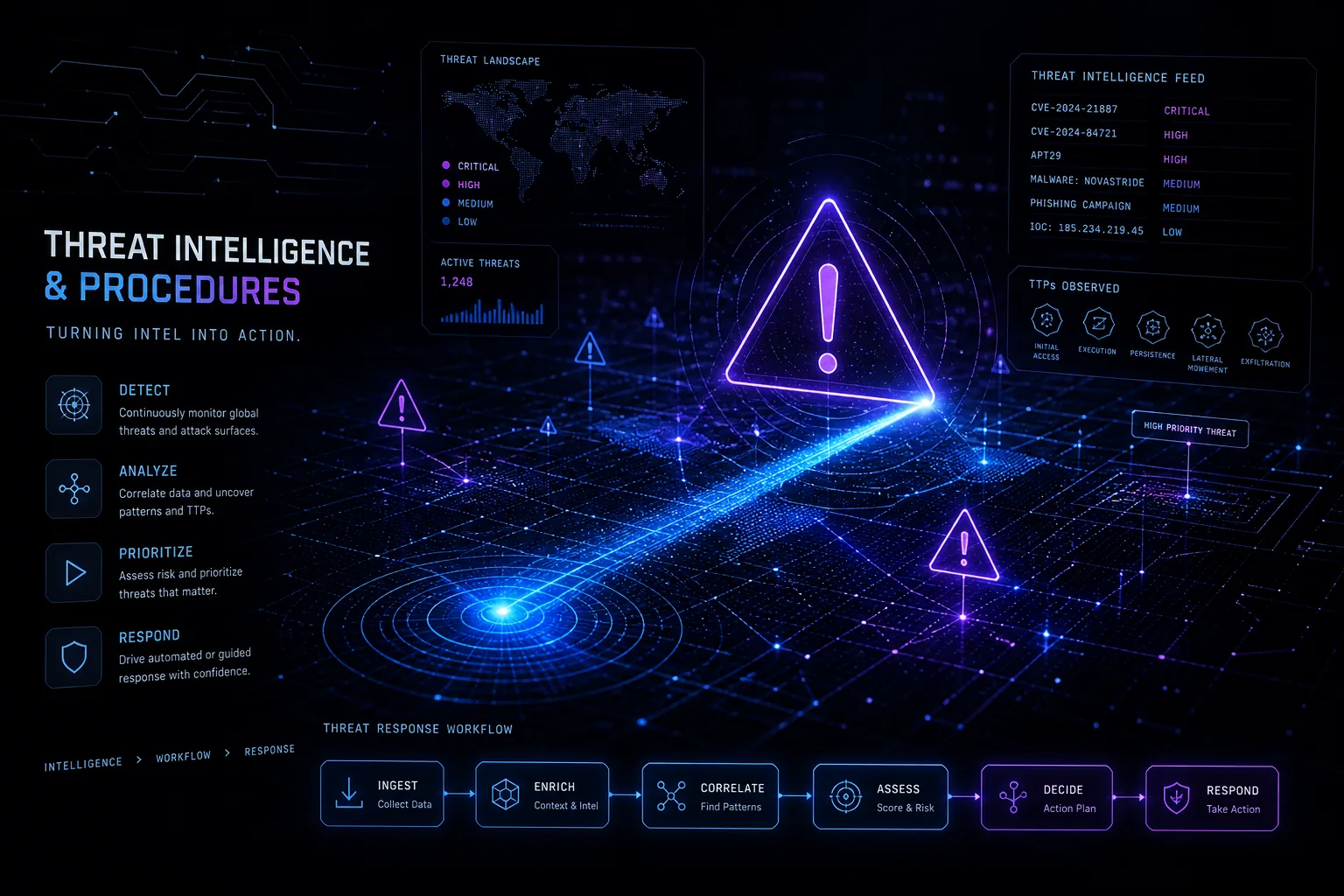
Threat surface / encrypted flow / layered defense
Common security problems
The biggest problems begin long before an alarm is raised.
Limited awareness, poorly selected equipment, unmanaged services, or a procedure that exists only on paper — these are common starting points for real risk.
Limited awareness
Even a good system stops protecting an organization when someone makes the wrong decision or does not understand the threat.
Unsuitable equipment
Poorly selected or questionable solutions tend to fail at the worst possible time.
Poorly matched services
A system alone is not enough when it lacks oversight, maintenance, and properly designed processes.
Missing procedures
Without procedures, people improvise. In security, improvisation is often the most expensive response.
What builds effective security
Security works only when several layers work together.
Solutions, procedures, and human knowledge must operate as one system rather than as separate controls.
I treat security as a process, not decoration. Resilience, understanding, and practical value come first.
no inflated claims
no false assurance
no marketing fog
Cybersecurity in practice
From identifying a threat to controlled testing and response.
This section combines authorized penetration testing, professional articles, and a practical glossary. Mechanisms are explained through examples and diagrams — without marketing fog or irresponsible hacking for effect.
Penetration testing and ethical hacking
Authorized testing with a defined scope, controlled impact, evidence, recommendations, and retesting.
If you want to understand security more clearly, you are in the right place.
This site organizes knowledge, explains threats, and supports a more informed approach to electronic and digital security — without aggressive sales language or empty promises.
A useful conversation begins with a clearly defined problem.
If you need to organize risk, assess the current security posture, or turn observations into a practical plan, let us start with the facts.